Sport
AFL in Melbourne: The MCG, the Teams and Footy Culture
Footy in Melbourne explained: the MCG, the nine hometown AFL clubs, the rules in a paragraph, and the rituals from Anzac Day to Grand Final week.
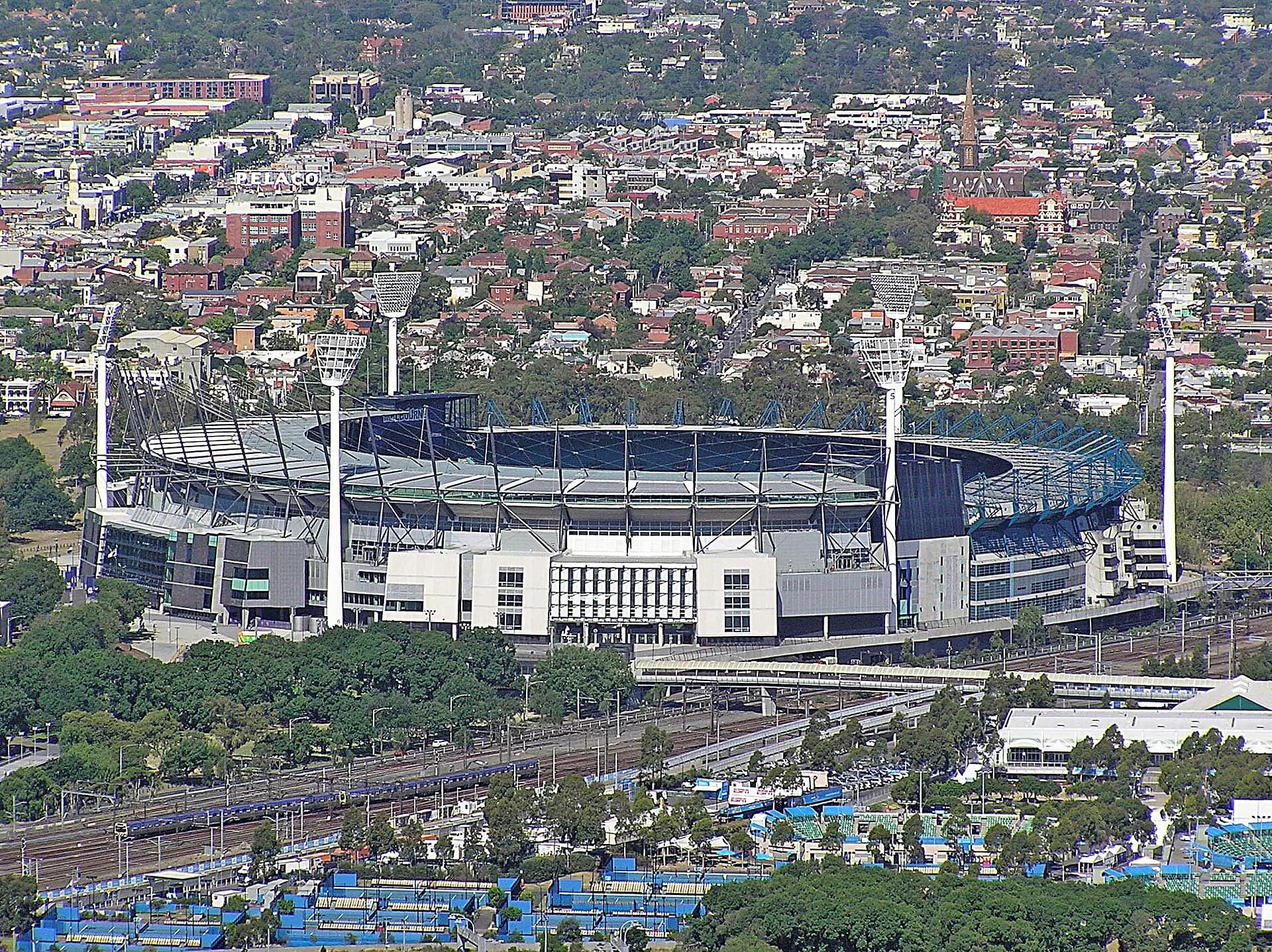
Arrive in Melbourne between March and September and you will notice it before you can name it. Scarves in team colours on the train, office workers arguing about someone called a "half-back flanker", entire radio stations given over to a game you may never have seen. This is Australian rules football, universally shortened to footy, and Melbourne is not just where it is played. Melbourne is where it was invented, codified in 1859, and where it remains something between a pastime and a folk religion.
You do not need to understand the rules to enjoy it. You do need to understand what it means here.
The G
Every conversation about footy in Melbourne runs through the Melbourne Cricket Ground, and no local ever calls it that. It is the MCG on paper and "the G" out loud. Holding just over 100,000 people, it is Australia's biggest stadium, and its own attendance records, kept at mcg.org.au, peak with the 121,696 who squeezed in for the 1970 Grand Final, a figure modern safety standards mean will likely never be beaten.
The scale of the habit is what stuns first-timers. League figures for the 2025 AFL season put total attendance at 8,257,027 across 216 matches, an average above 38,000 a game, numbers most football codes in the world would kill for in a country of 27 million. The 2025 Grand Final alone drew 100,022 to the G, where Brisbane beat Geelong by 47 points.
A big home-and-away match at the MCG remains the best value big-stadium experience in world sport: general admission to most regular games costs less than a mid-tier concert ticket, no membership required, and you can usually decide to go on the day.
Nine teams, one city
The AFL has 18 clubs, and fully half of them are Victorian. Nine are based in Melbourne itself: Carlton, Collingwood, Essendon, Hawthorn, Melbourne, North Melbourne, Richmond, St Kilda and the Western Bulldogs, with Geelong an hour down the highway making it ten. Nowhere else in world sport does one city sustain so many top-flight teams in a single league, and the consequence is that footy allegiance in Melbourne works like a surname. It is inherited, rarely chosen, and never changed.
The rivalries carry real texture. Collingwood are the club everyone else loves to beat, working-class in mythology and enormous in following. Carlton versus Collingwood is the oldest hatred; Essendon versus Richmond fills the G on any given night. The Anzac Day match between Collingwood and Essendon each 25 April is the biggest home-and-away fixture of the year, complete with pre-game remembrance ceremonies that silence 90,000 people.
Games in Melbourne split between the MCG and the roofed Marvel Stadium in Docklands. Fixtures and tickets live at afl.com.au, and for most matches you can simply buy general admission and sit nearly anywhere.
What you are actually watching
Explaining the rules properly takes a season, but the essentials fit in a paragraph. Eighteen players a side on a huge oval ground. The ball can be kicked or punched ("handballed") but never thrown. Catch a kick on the full and you have taken a "mark", earning a free kick, and the high-flying contested mark, the "specky", is the game's signature spectacle. Six points for a goal kicked between the tall middle posts, one point for the posts either side. Games run four quarters and scores routinely reach three figures.
What surprises visitors most is the crowd. Opposing fans sit together, unsegregated, everywhere in the ground. The abuse is directed at umpires, not each other, and families in enemy colours share rows without incident. It gives even the fiercest rivalry the atmosphere of an enormous, slightly unhinged family gathering.
The rituals
Footy culture comes with its own liturgy. The team song, belted out by players and crowd after a win. The banner, a huge crepe-paper artwork the team crashes through as it runs out. The meat pie with sauce at three-quarter time, kick-to-kick on suburban grounds after the siren, and the Coodabeens and talkback callers relitigating every umpiring decision until Tuesday.
The season structure is simple: home-and-away rounds from March to August, then September finals, culminating in the Grand Final at the MCG on the last Saturday of the month. Victoria takes a public holiday on the eve of it, which tells you most of what you need to know about local priorities. Grand Final day itself empties the streets as the city gathers around barbecues and televisions.
If you go
Pick any Melbourne-based match at the G, buy general admission, and sit among the home fans. Learn one player's name to cheer, order the pie, and stand for the songs. Nobody will mind that you do not know the rules; explaining footy to a newcomer is one of a Melburnian's deepest pleasures, and by the final siren you will have adopted a team whether you intended to or not. That, locals will tell you, is how it gets everyone.
Cover image: Donaldytong, public domain via Wikimedia Commons.
About the author
Harriet Lawson
**Harriet Lawson** is the editor of *Melbourne Headlines*, covering the decisions and developments shaping Melbourne and Victoria.