Cost of Living
Cost of Living in Melbourne 2026: Rent, Transport, Groceries
What Melbourne really costs in 2026: record $600 median house rent, half-price myki fares until January, and where grocery prices are biting.
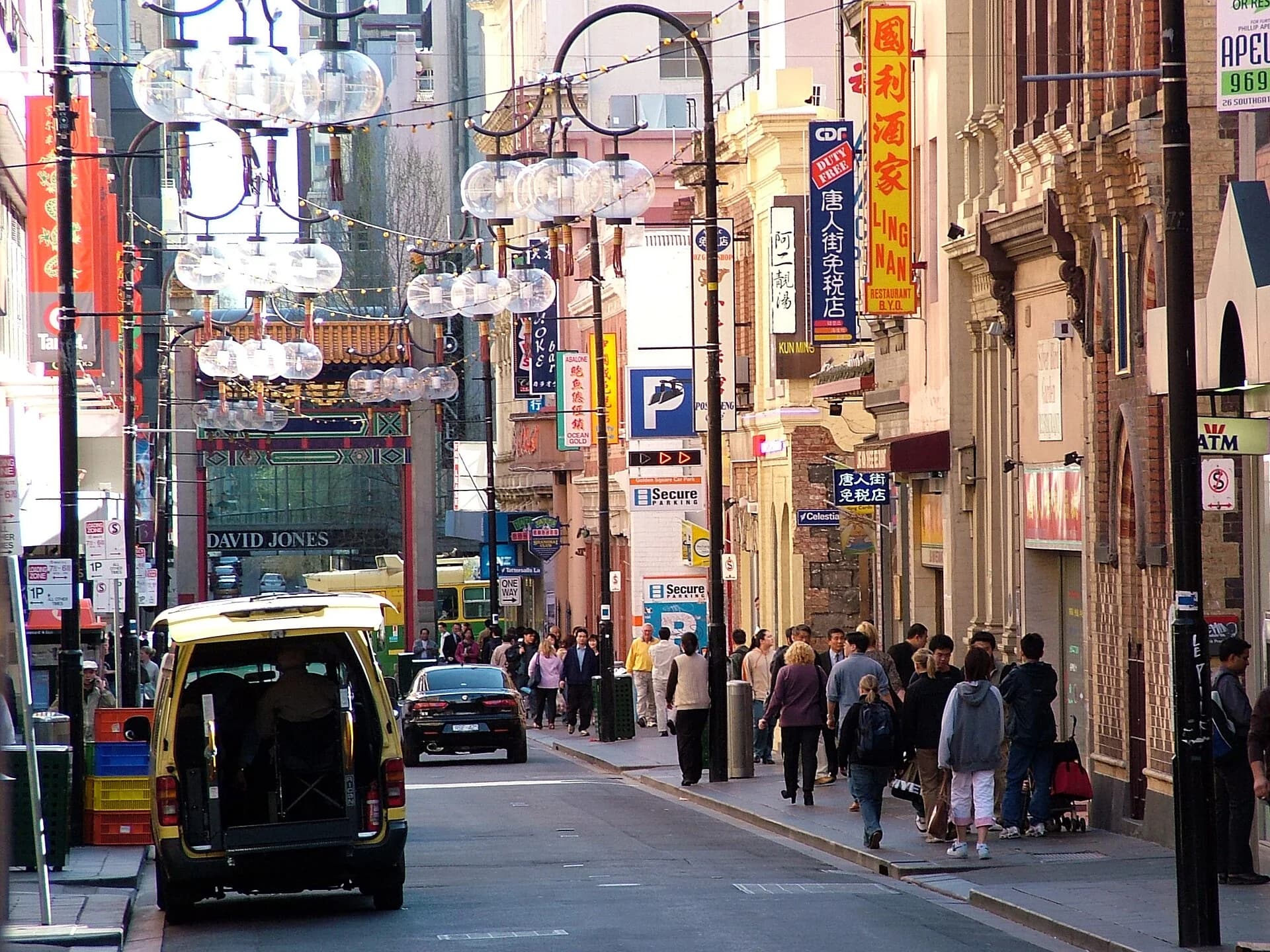
Ask a Melburnian how they are doing in 2026 and the answer usually arrives with a caveat about money. Headline inflation has come down from its peaks but is still running at 3.8 per cent nationally, according to the Australian Bureau of Statistics, and housing remains the biggest single contributor. So what does it actually cost to live in this city right now? Here is where the real numbers sit across the three budget lines that matter most: rent, transport and groceries.
Rent: a record high, but the heat has come off
Rent is the number that defines everything else, and for Melbourne renters the news is mixed. Domain's June quarter 2026 rent report puts the median asking rent for a Melbourne house at a record $600 a week. That is a psychological threshold the city crossed only recently, and it stings. The consolation is momentum: house rents rose just $5 over the quarter, and Domain now rates Melbourne one of the weakest rental markets in the country for growth. After three years of relentless increases, flat is a kind of relief.
Units remain the escape valve. Apartment rents sit well below house rents across most of the inner and middle ring, and Melbourne's large stock of CBD, Southbank and Docklands apartments keeps a lid on prices that simply does not exist in Sydney. Melbourne is still the cheapest big city in Australia to rent in, but no renter here would call it cheap.
The catch is availability. SQM Research had Melbourne's vacancy rate at about 1.2 per cent in June 2026, and it dipped as low as 1.0 per cent in March. A balanced market is generally considered to be around 3 per cent. Rents may have stopped sprinting, but finding a place still means turning up to inspections with your paperwork ready and your expectations flexible.
Share housing changes the maths entirely. A room in a shared house in Brunswick, Footscray or Northcote typically costs a fraction of a one-bedroom lease, which is why so many people in their twenties and thirties still live that way well into their careers.
Transport: the surprise bargain of 2026
Here is the genuine good news. From 1 June 2026 until 1 January 2027, public transport across Victoria is half price for everyone, a state government measure confirmed by Transport Victoria. The standard full-fare daily cap of $11.40 for Zone 1 and 2 travel drops to $5.70, and the concession cap falls to $2.85. For a five-day commuter, that is a saving of roughly $28 a week, or well over $700 across the life of the discount.
Even at full price, myki fares compare well internationally. A two-hour Zone 1 and 2 fare is normally $5.70, the weekend daily cap is $8.00, and once you hit the cap every additional trip that day is free. The Free Tram Zone still covers the CBD grid and Docklands, which means visitors and city workers can cover a surprising amount of ground without paying anything at all.
Driving is another story. Between fuel, tolls on CityLink and EastLink, and CBD parking that can exceed the cost of a decent lunch every single day, car commuting is the line item that quietly wrecks Melbourne budgets. If your work is anywhere near a train line, 2026 is the year the sums swung decisively toward the myki.
Groceries: slower inflation, higher shelf prices
The supermarket is where cost-of-living pressure feels most personal, and the ABS data explains why. Food and non-alcoholic beverage prices rose 3.3 per cent in the year to June 2026, which is slower than the worst of 2023 but still compounding on top of several steep years. The pain is not evenly spread. Beef prices are up 13.5 per cent over the year and lamb 12.9 per cent, which is why mince and chops have started to feel like occasion food. Eating out and takeaway rose 4.0 per cent, so the cafe brunch that defines this city keeps creeping upward too.
Melburnians have adapted the way they always do. The Queen Victoria Market and Footscray Market reward anyone willing to shop late on a Saturday, when traders discount to clear stock. Aldi's spread across the suburbs gives most households a genuine third option, and the difference on a weekly shop is real money. Seasonal buying matters more than it used to; so does the freezer.
What it adds up to
Put the three lines together and Melbourne in 2026 is a city that is expensive by any historical measure and yet clearly better value than its great rival up the Hume. Rent takes the biggest bite but has stopped accelerating. Transport is, for the moment, the cheapest it has been in years in real terms. Groceries continue to grind upward at a rate that outpaces most pay rises.
The people doing it hardest are new arrivals and anyone re-entering the rental market, because sitting tenants on older leases are insulated in a way movers are not. If that is you, the practical playbook is straightforward: hunt in the unit market rather than the house market, ride the half-price fares while they last, and treat the big supermarkets as one option among several rather than the default. Melbourne rewards people who know its workarounds. It always has.
Cover image: User:Bmra73, public domain via Wikimedia Commons.
About the author
Harriet Lawson
**Harriet Lawson** is the editor of *Melbourne Headlines*, covering the decisions and developments shaping Melbourne and Victoria.